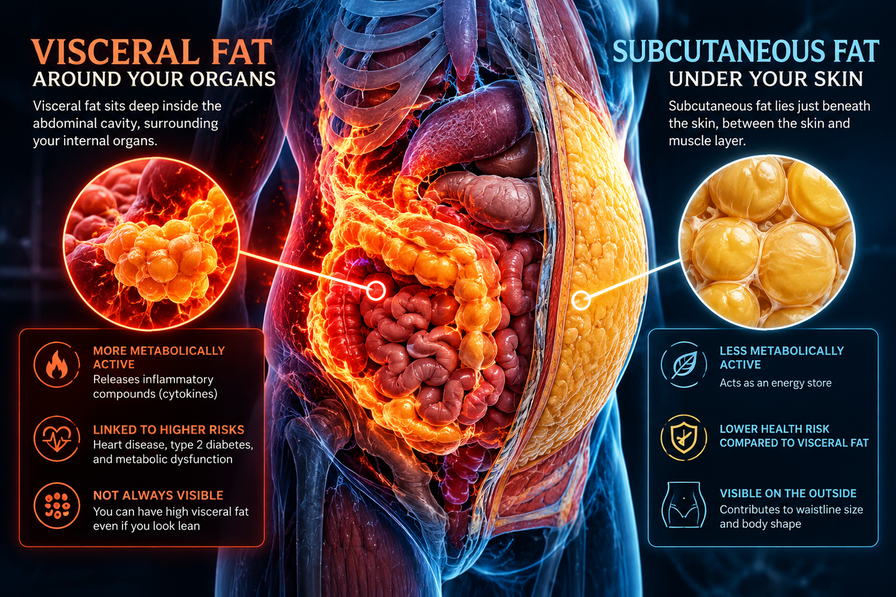
Your Metabolism Probably Didn’t Crash at 40. So Why Is Your Belly Fat Getting Harder to Lose?
You’re eating more carefully. Trying to move more. Maybe you’ve even given up foods you love. Yet your waistline doesn’t seem to respond the way it used to.
A major study involving more than 6,400 people challenged the familiar idea that metabolism suddenly slows down in middle age. The real picture is more complicated—and worth investigating.
Affiliate disclosure: We may earn a commission if you purchase through this link, at no additional cost to you.
The quiz is free. The featured product link opens an external affiliate offer.
What Are You Overlooking About Your Metabolism?
You’ve heard the advice a thousand times: eat less, move more, be disciplined. But your daily habits—and the science behind them—deserve a closer look.
Answer five questions to reveal a personal Metabolic Mystery Wheel and two areas worth exploring. This is a lifestyle reflection, not a test for the cause of weight gain.

Loading your first question…
Your investigation is ready.
See the two areas highlighted by your answers and your personal Metabolic Mystery Wheel below.
VIEW MY RESULTS ↓The Metabolism Myth That Refuses to Die
For years, the story sounded simple: turn 40, your metabolism crashes, and weight gain becomes inevitable.
But research measuring daily energy expenditure across the human lifespan found that, after adjusting for body size and composition, expenditure was relatively stable on average from roughly ages 20 to 60.
That’s not proof that nothing changes with age. Activity, body composition, sleep, medications, health conditions, and many other factors still matter. It does mean the usual story is incomplete.
READ THE 2021 SCIENCE STUDY ↗Affiliate disclosure: We may earn a commission if you purchase through this link, at no additional cost to you.
Are You Chasing a Smaller Number While Overlooking Muscle?
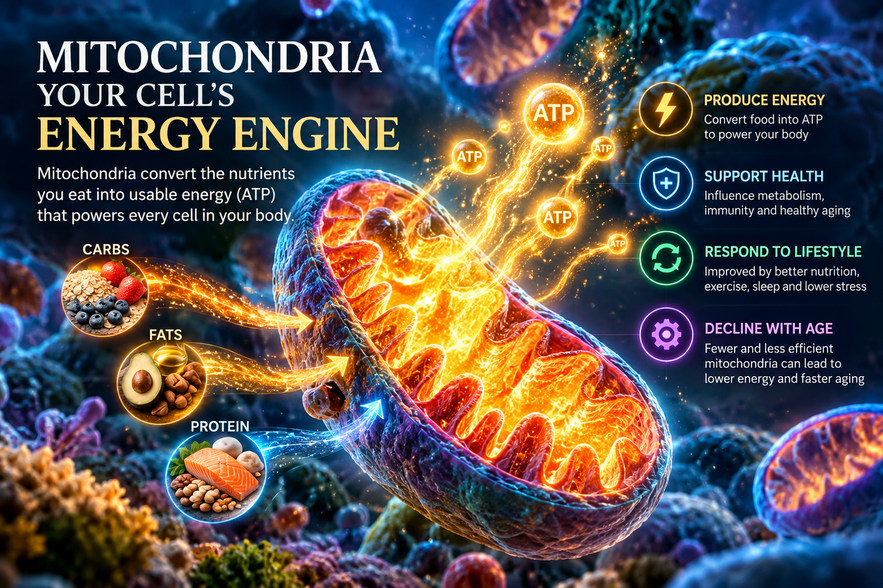
Muscle isn’t only about appearance. Skeletal muscle is a major site for glucose uptake and is essential for strength, mobility, and healthy aging.
If your entire strategy focuses on making the scale go down, you may be overlooking an important part of the picture: maintaining strength and function.
Regular resistance exercise is one evidence-supported habit worth exploring. Your appropriate starting point depends on your circumstances.
SEE CDC ADULT ACTIVITY GUIDANCE ↗Affiliate disclosure: We may earn a commission if you purchase through this link, at no additional cost to you.

Miracle Elixirs. Modern Biohacks. Same Old Promises?
We’ve always wanted a shortcut to vitality. The language changes. The need for credible evidence doesn’t. Here’s how we separate useful research from marketing hype.
Did Your Metabolism Really Crash?
See what a large lifespan study actually found—and where its conclusions stop.
OPEN THE STUDY ↗Affiliate disclosure: We may earn a commission if you purchase through this link, at no additional cost to you.
The Hours Outside Your Workout
Why regular activity and muscle-strengthening exercise both deserve attention.
VIEW CDC GUIDANCE ↗Affiliate disclosure: We may earn a commission if you purchase through this link, at no additional cost to you.
What the Scale Leaves Out
Explore the broader picture of body composition and health-related measurements.
VIEW NIH GUIDANCE ↗Affiliate disclosure: We may earn a commission if you purchase through this link, at no additional cost to you.
Every claim should stand up to scrutiny. Where the evidence is uncertain, we’ll say so.
Still Blaming Your Metabolism? Investigate Before You Guess.
You don’t need another miracle promise. You need a clearer understanding of what changes with age, what doesn’t, and which everyday habits deserve your attention.
Five questions. A personal visual breakdown. A more useful place to start.
EXPLORE THE FEATURED WELLNESS FORMULA →External affiliate offer · Review the product details before purchasing.
Affiliate disclosure: We may earn a commission if you purchase through this link, at no additional cost to you.