Category: Blog

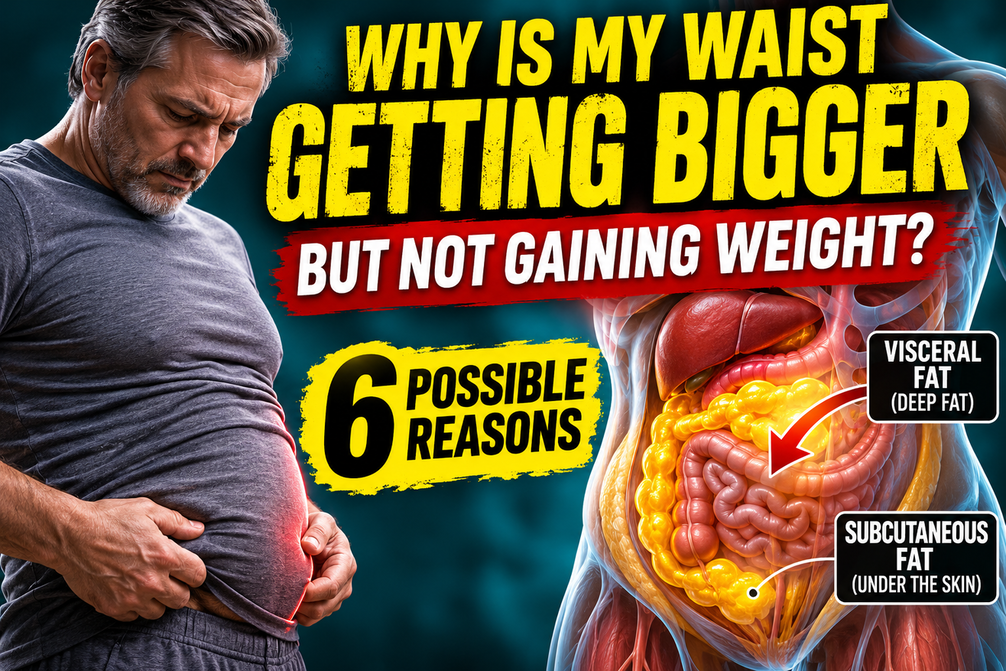
  • Why Is My Waist Getting Bigger but Not Gaining Weight? 6 Possible Reasons

    Why Is My Waist Getting Bigger but Not Gaining Weight? 6 Possible Reasons

    Why is my waist getting bigger but not gaining weight? If your clothes feel tighter around your stomach but the bathroom scale barely changes, there may be several explanations. Changes in body composition, digestion, fluid retention, and even how you measure your waist can affect its size without producing an obvious change in body weight.

    You step onto the scale and see almost the same number as last month.

    Yet your waistband feels tighter. Your stomach seems more prominent. Perhaps you’ve even moved up a clothing size.

    It can be confusing when your body appears to be changing but your weight doesn’t reflect it.

    The important distinction is that body weight and waist circumference measure different things. Your weight represents your total mass, while your waist measurement reflects the size of one area of your body.

    A larger waist does not automatically mean you’ve gained visceral fat. Let’s examine six possible explanations and how to recognize when a change deserves medical attention.

    1. Your Body Composition May Be Changing

    One possible explanation for a bigger waist without weight gain is a change in the proportions of muscle and fat in your body.

    Body composition describes how much of your body consists of fat, muscle, bone, water, and other tissues.

    Imagine someone loses a small amount of muscle while gaining approximately the same amount of fat. Their total weight might remain relatively stable, even though their body shape changes.

    This is possible because muscle and fat have different densities and distributions.

    Muscle tissue is denser than fat tissue, so equal weights occupy different volumes. However, that doesn’t mean every change in waist size is caused by muscle loss.

    Changes in physical activity, resistance training, diet, and aging can all influence body composition over time.

    What to notice: If your waist has gradually changed over months while your strength or muscle mass appears to have declined, body composition may be worth discussing with a healthcare professional.

    2. Abdominal Bloating Can Make Your Waist Temporarily Larger

    Not every increase in abdominal size involves body fat.

    Bloating can cause your abdomen to feel full, tight, or swollen. Sometimes the abdomen becomes visibly larger, a condition known as abdominal distension.

    Digestive gas and abdominal bloating can make your waist appear larger even when your body weight remains relatively unchanged. The National Institute of Diabetes and Digestive and Kidney Diseases (NIDDK) explains how gas-related symptoms can cause bloating and abdominal distension.

    Possible contributors include:

    • Gas produced during digestion
    • Constipation
    • Difficulty digesting certain carbohydrates
    • Irritable bowel syndrome
    • Swallowing excess air while eating or drinking

    Abdominal bloating does not necessarily mean you have gained abdominal fat. According to MedlinePlus abdominal bloating may be associated with digestive gas, constipation, and other gastrointestinal conditions.

    For some people, abdominal size changes noticeably throughout the day.

    Your stomach may appear flatter in the morning and larger after meals. This pattern may suggest digestive distension rather than a rapid increase in abdominal fat, although it cannot establish the cause by itself.

    What to notice: Pay attention to whether the change varies with meals, bowel movements, or digestive discomfort.

    Persistent or worsening bloating should be evaluated rather than automatically attributed to diet.

    3. Fluid Retention and Hormonal Fluctuations May Affect Your Abdomen

    Your body constantly regulates water and electrolytes.

    Temporary changes in fluid balance can influence how your abdomen feels and, in some circumstances, how large it appears.

    Hormonal fluctuations, including those associated with the menstrual cycle, may contribute to bloating and fluid-related changes.

    Certain medications and medical conditions can also affect fluid balance.

    However, significant abdominal fluid accumulation is not the same as ordinary bloating. Fluid buildup inside the abdominal cavity, called ascites, can indicate an underlying medical problem.

    A persistent increase in abdominal size should not be dismissed as water retention without considering other symptoms.

    What to notice: Record whether abdominal swelling is temporary or persistent, and whether it occurs alongside swelling elsewhere, discomfort, or changes in breathing.

    Seek prompt medical assessment for unexplained progressive swelling, especially with pain, shortness of breath, or other concerning symptoms.

    4. Your Waist Measurement May Be Inconsistent

    Sometimes the apparent change is partly related to how your waist is measured.

    A measuring tape placed slightly higher or lower can produce a different reading.

    Other factors include:

    • Measuring before breakfast one day and after dinner another
    • Pulling the tape tighter during one measurement
    • Measuring over different clothing
    • Holding your breath or drawing in your stomach
    • Standing differently

    The Centers for Disease Control and Prevention recommends measuring around the middle of your body, just above the hip bones, and recording the measurement after breathing out.

    For meaningful comparisons, consistency matters more than repeatedly checking your waist throughout the day.

    How to Measure Your Waist Consistently

    1. Stand upright in a relaxed position.
    2. Locate the area just above your hip bones.
    3. Wrap a flexible measuring tape around your waist.
    4. Keep the tape horizontal and snug without compressing your skin.
    5. Breathe out normally before reading the measurement.
    6. Record the result and repeat future measurements under similar conditions.

    If you are tracking a longer-term trend, use the same technique each time.

    A single unexpected measurement is less informative than a consistent pattern.

    5. Your Abdominal Shape and Posture May Be Changing

    The appearance of your waist is influenced by more than the amount of fat stored around your abdomen.

    Posture, abdominal muscle tone, and the way you hold your body can change how prominently your stomach projects.

    For example, the position of the pelvis and spine can influence abdominal appearance when standing.

    Changes in abdominal wall strength or muscle separation may also affect the shape of the midsection in some individuals.

    These factors are not interchangeable with visceral fat accumulation.

    A protruding stomach does not, by itself, reveal how much fat surrounds your internal organs.

    What to notice: Consider whether your abdomen looks different when standing, sitting, or changing posture.

    If you notice a new localized bulge, especially one associated with pain or strain, seek medical evaluation rather than assuming it is a posture issue.

    6. Abdominal Fat Distribution May Change Even When Your Weight Is Stable

    A final possibility is a change in where your body stores fat.

    There are two major types of abdominal fat worth understanding.

    Subcutaneous fat lies beneath the skin. It is the fat you can often pinch around your abdomen.

    Visceral fat is stored deeper inside the abdominal cavity, around internal organs.

    These types of fat are biologically different, and their distribution can be influenced by age, hormonal changes, genetics, and other factors.

    A stable number on the scale does not rule out changes in abdominal fat distribution.

    However, waist circumference alone cannot accurately determine how much visceral fat you have. It is a useful measurement, but not a direct scan of internal fat.

    Tracking waist circumference alongside body weight can provide additional information about changes in abdominal size. The Centers for Disease Control and Prevention (CDC) provides guidance on healthy weight and waist circumference as part of assessing health risks.

    For a deeper explanation, read our article Visceral Fat vs Subcutaneous Fat: What’s the Difference After 40?.

    And if you’re interested in the broader effects of aging on abdominal fat, explore our companion article, Why Belly Fat Increases After 40: 7 Science-Backed Reasons.

    How Can You Tell Whether Your Waist Is Really Getting Bigger?

    Rather than relying on a single measurement or how your clothes fit on one particular day, look for patterns.

    A simple observation record can help:

    What to trackWhat it may help you understand
    Waist circumferenceWhether your measurement changes over time
    Body weightWhether overall weight is stable or changing
    Time of measurementWhether readings are being compared consistently
    Digestive symptomsWhether bloating or constipation accompanies changes
    Activity and strengthWhether your exercise routine or physical capacity has changed
    Other symptomsWhether medical assessment may be needed

    This information is not a diagnostic tool. It can, however, make a conversation with a healthcare professional more informative.

    When Should You See a Doctor About an Increasing Waist?

    A gradual change in waist size is not always a medical emergency, but unexplained abdominal enlargement should not automatically be attributed to aging or fat gain.

    Arrange medical assessment if your abdomen continues to enlarge without an obvious explanation, particularly if the change persists.

    Seek urgent care for severe or persistent abdominal pain, significant swelling with difficulty breathing, repeated vomiting, or other serious symptoms.

    Also speak with a healthcare professional if abdominal changes are accompanied by unexplained weight loss, blood in your stool, or persistent digestive problems.

    The purpose of investigating these symptoms is not to assume something serious is wrong. It is to distinguish ordinary fluctuations from conditions that may require treatment.

    Frequently Asked Questions

    Can your waist get bigger without gaining weight?

    Yes. Waist circumference can change even when total body weight remains relatively stable. Possible explanations include changes in body composition, abdominal bloating, posture, or fat distribution.

    Does a bigger waist always mean more visceral fat?

    No. A larger waist does not prove that visceral fat has increased. Subcutaneous fat, digestive distension, and other factors can also affect abdominal size.

    Why is my stomach flatter in the morning but bigger at night?

    Changes associated with meals, digestive gas, and bloating may contribute to this pattern. If the swelling is persistent, painful, or worsening, seek medical advice.

    Can you gain fat and lose muscle without changing weight?

    Yes. If fat mass increases while muscle mass decreases by a similar amount, total weight may remain stable even though body composition changes.

    Is waist circumference more useful than body weight?

    Both measurements provide different information. Body weight reflects overall mass, while waist circumference helps assess abdominal size. Neither measurement alone fully describes body composition or health.

    The Bigger Picture: Your Waist and Your Weight Tell Different Stories

    If you’ve been wondering why your waist is getting bigger but you’re not gaining weight, remember that the scale provides only one piece of information.

    Changes in body composition, digestion, fluid balance, posture, measurement technique, and abdominal fat distribution can all influence what you notice around your waist.

    The goal is not to assume every change is fat gain or to become preoccupied with daily measurements.

    It’s to understand your body more accurately, recognize meaningful patterns, and seek medical advice when changes are unexplained or persistent.

    About this article: Published by THE FAT DECEPTION, an independent educational project exploring body composition, metabolic health, and healthy aging through scientific research and visual storytelling.

    Medical disclaimer: This article provides general educational information and is not a substitute for individualized medical advice, diagnosis, or treatment.
  • Why Belly Fat Increases After 40: 7 Science-Backed Reasons

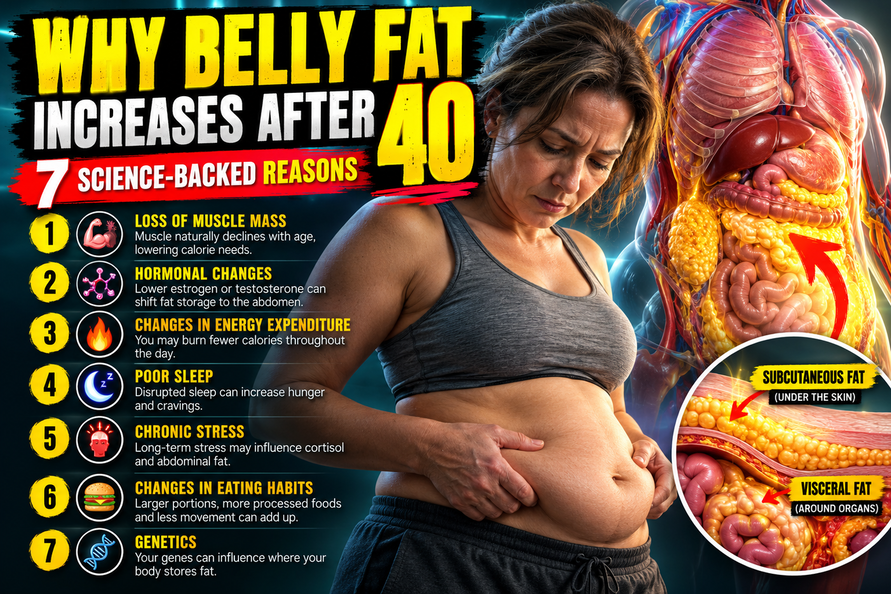
    Why Belly Fat Increases After 40: 7 Science-Backed Reasons

    Why does your waistline sometimes change even when your eating habits haven’t? The answer involves more than calories. Aging, hormones, muscle mass, sleep, and fat distribution can all influence what happens around your abdomen.

    You may have noticed something frustrating after turning 40.

    Your clothes fit differently. Your waistline seems thicker. And the habits that once helped you maintain your weight don’t always produce the same results.

    But here’s what many people overlook:

    Your body composition can change even when the number on the scale barely moves.

    Understanding why belly fat increases after 40 means looking beyond body weight and examining how the body stores fat, maintains muscle, and responds to hormonal and lifestyle changes.

    Let’s explore seven important factors supported by scientific research.

    One important reason belly fat may increase after 40 is the gradual loss of skeletal muscle.

    Muscle plays a major role in movement, strength, blood glucose regulation, and energy expenditure.

    As people age, muscle mass can decline, especially without regular resistance exercise.

    Because muscle contributes to the body’s resting energy requirements, losing muscle may reduce daily calorie needs.

    Over time, this can make weight management more challenging if food intake and activity remain unchanged.

    However, muscle loss is not inevitable at the same rate for everyone.

    Regular strength training, adequate nutrition, and consistent physical activity can help preserve muscle mass as you age.

    The important distinction: A changing waistline may reflect both increasing body fat and decreasing muscle, not simply an increase in total body weight.

    2. Hormonal Changes and Fat Distribution

    Hormones help regulate where fat is stored throughout the body.

    During midlife, changes in reproductive hormones can influence body fat distribution.

    For women, declining estrogen during the menopause transition is associated with a greater tendency to accumulate fat around the abdomen rather than the hips and thighs.

    Research suggests that menopause can change body composition even without a dramatic increase in total body weight.

    Men also experience hormonal changes with aging, although the patterns and effects differ.

    Testosterone levels may decline gradually, and changes in hormonal health can interact with muscle mass, activity, and body composition.

    But hormones are not the only explanation.

    Aging, genetics, lifestyle, and overall energy balance all influence fat accumulation.

    This is why two people of the same age may experience very different changes in their waistlines.

    3. Changes in Daily Energy Expenditure

    You may have heard that metabolism suddenly slows down after 40.

    The reality is more complicated.

    There is no universal metabolic switch that activates on your 40th birthday.

    Instead, changes in muscle mass, physical activity, body composition, and daily routines can gradually affect how much energy your body uses.

    For example, someone who spends more time sitting and less time moving may burn fewer calories throughout the day.

    Even if their eating habits remain similar, their energy requirements may be different from what they were years earlier.

    This does not mean that weight gain after 40 is unavoidable.

    It means understanding your changing activity patterns and body composition may be more useful than assuming your metabolism is permanently damaged.

    4. Poor Sleep and Appetite Regulation

    Sleep is an often-overlooked factor in body composition.

    Insufficient or disrupted sleep can influence appetite, food choices, energy levels, and metabolic regulation.

    When people consistently sleep poorly, they may experience increased hunger, stronger cravings for energy-dense foods, and reduced motivation for physical activity.

    Sleep problems may become more common during midlife because of work demands, stress, caregiving responsibilities, or hormonal changes.

    For some women, menopause-related symptoms such as night sweats can further disrupt sleep.

    Research links inadequate sleep with weight gain and unfavorable changes in body composition.

    However, poor sleep does not automatically cause abdominal fat accumulation in every individual.

    Supporting healthy sleep is one important part of a broader metabolic health strategy.

    5. Chronic Stress and Cortisol

    Stress is another factor worth understanding.

    When you encounter a stressful situation, your body activates systems designed to help you respond.

    One of the hormones involved is cortisol.

    Cortisol has essential functions, including helping regulate metabolism, blood pressure, and the body’s response to stress.

    The problem is not cortisol itself.

    Rather, prolonged stress and disrupted stress-response patterns may influence sleep, appetite, eating behavior, and metabolic health.

    Some research also links chronic stress and altered cortisol regulation with abdominal fat accumulation.

    But the relationship is complex.

    Not everyone experiencing chronic stress gains belly fat, and abdominal fat is not proof that someone has elevated cortisol.

    Stress-related weight changes can also involve reduced physical activity, changes in food intake, medication effects, and sleep disruption.

    This makes stress management a useful component of overall health, without treating it as a guaranteed solution for belly fat.

    6. Changes in Eating Habits and Physical Activity

    Many changes in body composition develop gradually.

    A more sedentary job, longer working hours, fewer recreational activities, or increased family responsibilities can reduce daily movement.

    At the same time, eating patterns may shift.

    Larger portions, frequent snacking, calorie-containing drinks, and highly processed foods can make it easier to consume more energy than the body requires.

    These changes are not always obvious.

    And they don’t necessarily happen because someone lacks discipline.

    The environment, daily routines, access to healthy foods, stress, and available time all influence behavior.

    Research consistently supports physical activity and sustainable dietary improvements as important tools for managing body composition.

    The goal is not extreme restriction.

    It is developing realistic habits that support long-term health.

    7. Genetics and Individual Fat Distribution

    Have you ever wondered why some people gain weight primarily around their abdomen while others store more fat around their hips or thighs?

    Genetics helps explain part of this difference.

    Inherited factors influence body shape, fat distribution, appetite regulation, and susceptibility to weight gain.

    Age and hormonal changes interact with these inherited characteristics.

    This means two people following similar routines may still have different body compositions.

    Genetics does not determine every outcome.

    However, it helps explain why comparing your body with someone else’s may not provide an accurate picture of your health.

    Why Belly Fat Location Matters

    Not all abdominal fat is stored in the same location.

    Two important types are subcutaneous fat and visceral fat.

    Subcutaneous FatVisceral Fat
    Located directly beneath the skinLocated deeper within the abdominal cavity
    Helps store energy and provide insulationSurrounds internal organs
    Has important protective and metabolic functionsHas important metabolic functions but excess accumulation is associated with health risks
    Can often be gently pinchedCannot be directly measured by pinching the abdomen

    Higher amounts of visceral fat are associated with increased risks of insulin resistance, type 2 diabetes, and cardiovascular disease.

    However, visceral fat is not inherently harmful at every level. Its effects depend on the amount, metabolic environment, and individual health circumstances.

    You also cannot reliably determine visceral fat levels simply by looking in the mirror.

    Related reading: Visceral Fat vs Subcutaneous Fat: What’s the Difference After 40?

    What Helps Support Healthier Body Composition After 40?

    Although aging affects the body, there are practical ways to support metabolic health.

    Prioritize Strength Training

    Resistance exercise helps preserve and build muscle mass, maintain physical function, and support healthier body composition.

    Stay Physically Active

    Walking, cycling, swimming, and other aerobic activities can support cardiovascular health and energy expenditure.

    Combining aerobic activity with strength training offers complementary benefits.

    Eat a Balanced, Nutrient-Rich Diet

    Include adequate protein, fiber-rich foods, vegetables, fruits, whole grains, and appropriate portions.

    Individual nutritional requirements vary depending on health status, activity, and other factors.

    Protect Your Sleep

    Maintain a consistent sleep schedule and address persistent sleep problems rather than ignoring them.

    Manage Chronic Stress

    Mindfulness, relaxation exercises, supportive relationships, physical activity, and professional support when needed can help improve stress management.

    Monitor More Than Body Weight

    Waist circumference, strength, fitness, blood pressure, blood glucose, and cholesterol can provide additional information about health.

    No single measurement tells the whole story.

    The Bigger Picture: Your Body Is Changing, Not Failing

    Belly fat after 40 is not explained by one hormone, one food, or one lifestyle habit.

    It reflects a combination of biological and environmental influences.

    Muscle mass may change.

    Hormonal patterns may shift.

    Sleep and activity may become less consistent.

    And inherited characteristics influence how each person responds.

    Understanding these factors can help you make better-informed decisions rather than chasing quick fixes.

    The goal is not simply a smaller waistline. It is better metabolic health, preserved muscle, and long-term well-being.

    Frequently Asked Questions

    Is belly fat inevitable after 40?

    No. Although aging can influence body composition, abdominal fat gain is not inevitable. Physical activity, nutrition, sleep, genetics, and hormonal factors all play roles.

    Does metabolism suddenly slow down at 40?

    No. There is no universal sudden metabolic slowdown at age 40. Changes in activity, muscle mass, and body composition can affect energy needs over time.

    Can you gain visceral fat without gaining much weight?

    Yes. Body fat distribution and muscle mass can change even when total body weight remains relatively stable.

    Does cortisol cause belly fat?

    Cortisol is involved in metabolic regulation, and prolonged stress may contribute to weight-related changes. However, cortisol is not the sole explanation for abdominal fat, and belly fat alone cannot diagnose a cortisol problem.

    What exercise is best for belly fat after 40?

    A combination of aerobic activity and resistance training can improve body composition and metabolic health. No exercise can reliably target fat loss from one specific body area.

    Can sleep affect abdominal fat?

    Insufficient sleep may influence appetite, food intake, activity, and metabolic processes. Improving sleep supports overall health, although its effects on body fat vary between individuals.

    Explore the Hidden Science of Belly Fat

    Understanding why belly fat increases after 40 is only the beginning.

    The next question is where that fat is stored — and why its location can matter for metabolic health.

    Explore our Research Library for educational resources on body composition, metabolism, and healthy aging.

    About this article: Published by THE FAT DECEPTION, an independent educational project exploring metabolism, body composition, and healthy aging through scientific research and visual storytelling.

    Scientific References

    Scientific References

    1. Mayo Clinic — Menopause Weight Gain: Stop the Middle Age Spread
    2. Research Study — Changes in Body Composition During the Menopause Transition
  • Visceral Fat vs Subcutaneous Fat: What’s the Difference After 40?

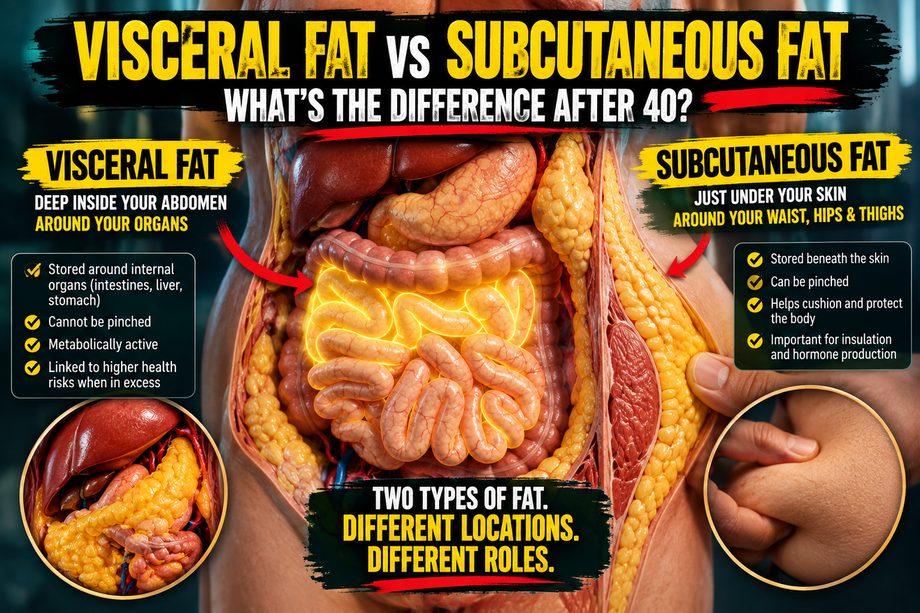
    Visceral Fat vs Subcutaneous Fat: What’s the Difference After 40?

    Visceral fat vs subcutaneous fat: these two types of body fat are stored in different places, and understanding the difference becomes especially important after 40. Where fat is stored inside your body can matter as much as how much is stored.

    You may notice that your waistline changes as you get older, even when your overall body weight hasn’t changed very much.

    But here’s something that isn’t obvious when you look in the mirror:

    Not all abdominal fat is stored in the same place.

    Your body stores fat immediately beneath the skin and deeper inside the abdomen. These two locations are associated with different biological functions and health considerations.

    Understanding the difference can help you make better-informed decisions about your metabolic health.

    What Is Subcutaneous Fat?

    Subcutaneous fat is the fatty tissue stored directly beneath your skin.

    It’s the type of fat you can often gently pinch around your waist, thighs or upper arms.

    This tissue has several important functions:

    • It stores energy for future use.
    • It helps cushion and protect the body.
    • It contributes to insulation and temperature regulation.
    • It produces hormones and other biological signals.

    Subcutaneous fat is a normal and necessary part of the human body.

    Although excess overall body fat can have health implications, subcutaneous fat and visceral fat should not be treated as interchangeable.

    What Is Visceral Fat?

    Visceral fat is stored deeper inside the abdominal cavity, around internal organs such as the intestines and liver.

    Unlike subcutaneous fat, you cannot directly pinch visceral fat through your skin.

    Visceral fat is biologically active. It produces and responds to hormones and other signalling molecules involved in metabolic regulation and inflammation.

    Higher amounts of visceral fat are associated with an increased risk of several metabolic and cardiovascular conditions, including insulin resistance and type 2 diabetes.

    However, having some visceral fat is normal. The concern is excess accumulation, not the mere presence of fat around internal organs.

    Visceral Fat vs Subcutaneous Fat: The Key Differences

    FeatureSubcutaneous FatVisceral Fat
    LocationBeneath the skinDeep inside the abdomen
    Can you pinch it?Often, yesNot directly
    Biological activityYesYes
    Main health considerationOverall amount and distribution matterExcess accumulation is strongly associated with metabolic risk
    Can appearance measure it accurately?NoNo

    Both tissues have biological functions, and neither can be fully assessed from appearance alone.

    Why Can Abdominal Fat Distribution Change After 40?

    Body composition often changes with age.

    Several factors can contribute:

    1. Changes in muscle mass

    Without sufficient physical activity, particularly resistance training, adults may gradually lose muscle mass as they age.

    2. Hormonal changes

    Age-related hormonal changes can influence how and where the body stores fat.

    3. Changes in daily activity

    Work, family responsibilities, reduced movement and changes in exercise habits can affect energy expenditure.

    4. Sleep and lifestyle factors

    Sleep patterns, nutrition, alcohol intake and other lifestyle factors can influence weight regulation and metabolic health.

    Not everyone experiences the same changes, and turning 40 does not automatically mean someone will develop excess visceral fat.

    Can You Have Visceral Fat Even If You’re Slim?

    Yes.

    Body weight and appearance do not reveal the complete picture of internal fat distribution.

    Someone with a relatively low body weight may still have a higher proportion of abdominal visceral fat than expected.

    Conversely, a larger waistline does not tell you exactly how much visceral fat is present.

    Waist circumference can be a useful indicator of abdominal fat-related risk, but it is not a direct measurement of visceral fat.

    Medical imaging methods, such as MRI or CT, can measure visceral fat more directly, although they are not routinely needed for most people.

    What Helps Support Healthier Body Composition?

    Evidence-based approaches include:

    • Regular physical activity, including aerobic exercise and strength training.
    • A balanced dietary pattern with sufficient protein and fibre.
    • Consistent, adequate sleep.
    • Limiting excessive alcohol intake.
    • Managing relevant medical conditions with appropriate professional care.

    There is no reliable way to choose precisely where the body loses fat through a specific exercise.

    For example, abdominal exercises can strengthen abdominal muscles, but they do not selectively remove visceral fat.

    The Bigger Picture: Your Weight Isn’t the Whole Story

    Body weight is one measurement, but it doesn’t distinguish between muscle, fat, water and other body tissues.

    That’s why metabolic health deserves a broader perspective.

    Factors such as blood pressure, blood glucose, cholesterol, waist circumference, physical fitness and medical history can provide additional context.

    If you’re concerned about your metabolic health, a qualified healthcare professional can help determine which assessments are appropriate.

    Discover the Hidden Science of Belly Fat

    Want to understand what’s happening beneath the surface?

    Explore The Hidden Fat Report, our free illustrated educational guide to visceral fat, subcutaneous fat, metabolism and body composition after 40.

    GET THE FREE HIDDEN FAT REPORT

    Educational information only. No purchase required.

    Frequently Asked Questions

    Is visceral fat more dangerous than subcutaneous fat?

    Excess visceral fat generally has stronger associations with several metabolic health risks. However, overall health depends on many factors, and subcutaneous fat also has important biological functions.

    Does everyone over 40 gain visceral fat?

    No. Age-related changes vary considerably depending on genetics, hormonal factors, activity, nutrition and other circumstances.

    Can you tell if you have excess visceral fat by looking at your stomach?

    Not reliably. Appearance and waist circumference may provide clues, but they cannot precisely measure visceral fat.

    Do sit-ups burn visceral fat?

    Sit-ups strengthen abdominal muscles but do not selectively burn fat in that location. Regular aerobic exercise and other sustainable lifestyle habits can help improve body composition.


    For more educational resources about body fat, metabolism, and healthy aging after 40, explore our Research Library.

    About this article: Published by The Fat Deception, an independent educational project exploring metabolism, body composition and healthy ageing through scientific research and visual storytelling.

    Medical disclaimer: This article provides general educational information and is not a substitute for individual medical advice, diagnosis or treatment.